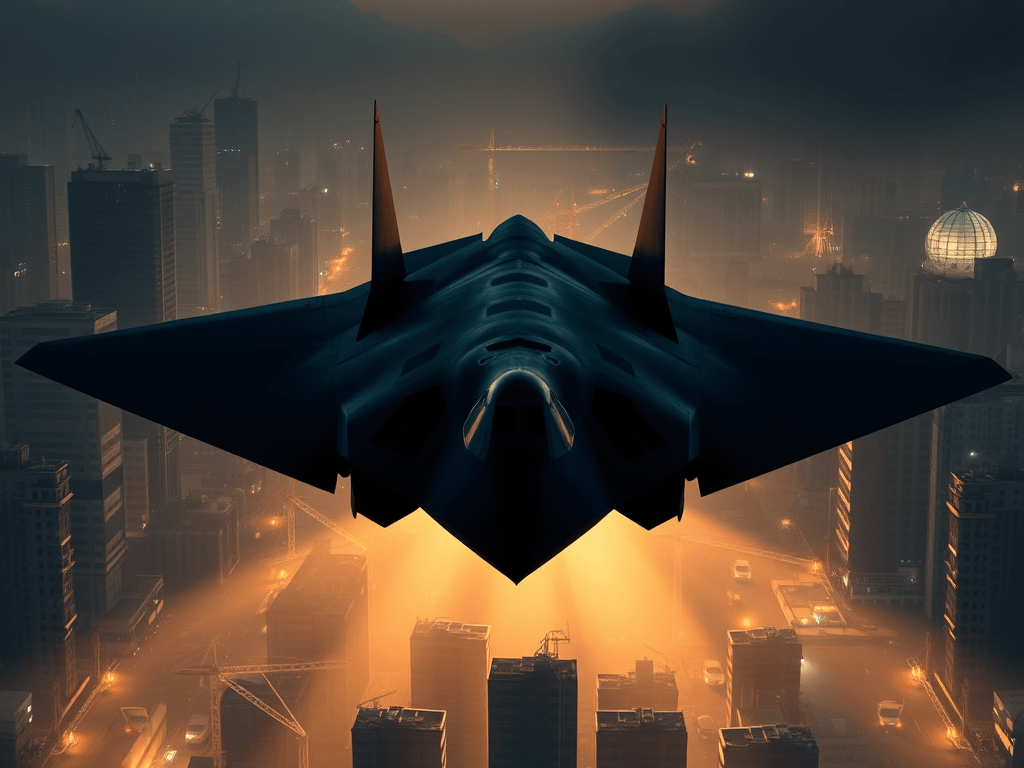
Corruption has long been recognized as a pervasive issue across many Asian countries, particularly in nations like China, where it affects governance, economic development, and even innovative sectors like aerospace. The problem isn’t just about financial misconduct but also undermines the integrity of systems crucial for innovation and safety, such as in the development of new aircraft like the H20, J36, and J50.
Corruption in China: A Systemic Issue
Corruption in China is deeply ingrained, affecting various levels of government and industry. According to Transparency International’s Corruption Perceptions Index, China scores relatively low, indicating significant public perception of corruption within its systems. This corruption manifests in several ways, including embezzlement, bribery, and the misuse of authority, which can critically impact the development and production of high-tech military and civilian projects.
The anti-corruption campaigns led by figures like Xi Jinping have made headlines, but skepticism persists regarding their effectiveness and whether they serve more political than practical purposes. The systemic nature of corruption means that even well-intentioned projects can be compromised, leading to inefficiencies, cost overruns, and quality issues.
Challenges in Aviation: The H20, J36, and J50
When it comes to cutting-edge aviation technologies like China’s H20 stealth bomber, J36 fighter, and J50 (formerly known as the J-20), these projects are not immune to the broader issues of corruption. Here’s how:
- Prototype vs. Production Reality: While prototypes might demonstrate superior capabilities, scaling up for mass production can introduce numerous challenges. Corruption can lead to shortcuts in material quality, rushed testing phases, or even compromised design decisions influenced by financial incentives rather than technical merit.
- Long-term Build Quality: Ensuring long-term reliability and safety of aircraft involves meticulous attention to detail and integrity at every stage of production. Corruption can lead to the use of substandard materials or components, maintenance neglect, or inadequate quality control, all of which can jeopardize the aircraft’s performance over time.
- Logistical Nightmares: Similar to the initial teething problems seen with the U.S. F-35, even technologically advanced aircraft can become logistical nightmares without proper oversight. The F-35, known for its high development costs and initial operational issues, serves as a cautionary tale. It illustrates how designs that look promising on paper can struggle with real-world application due to complex supply chains, maintenance requirements, and software integration challenges.
Learning from the F-35
The F-35 program, despite its early criticisms, has shown signs of improvement over time. This development underscores an important lesson:
- Continuous Improvement: The F-35’s journey from a problematic project to a more reliable asset shows that with persistent effort, investment in technology and logistics, and a commitment to quality, even the most criticized projects can evolve. This could be a blueprint for China’s aviation projects like the H20, J36, and J50, emphasizing the need for transparency, rigorous quality control, and ethical management.
- Scaling and Adaptation: The ability to scale from a prototype to a functional, fleet-ready aircraft involves not just technological prowess but also robust systems to manage logistics, supply chains, and maintenance. Corruption can distort these systems, leading to inefficiencies and safety risks.
Conclusion
For China’s aviation ambitions to truly take flight, overcoming the corruption plague is non-negotiable. The H20, J36, and J50 need to prove their mettle not just in test flights but in the harsh realities of operational use. The lessons from the F-35 suggest that while initial setbacks can be daunting, a concerted effort towards integrity, continuous improvement, and transparency can lead to success. However, without addressing the root corruption issues, these advanced aircraft might never reach their full potential, remaining grounded by the very system that seeks to elevate them.
Note: The insights on corruption in China are informed by general knowledge and the understanding from sources like Transparency International’s reports on global corruption perceptions.




 Hypersonic VIP Club
Leave a reply to bankejailen99 Cancel reply