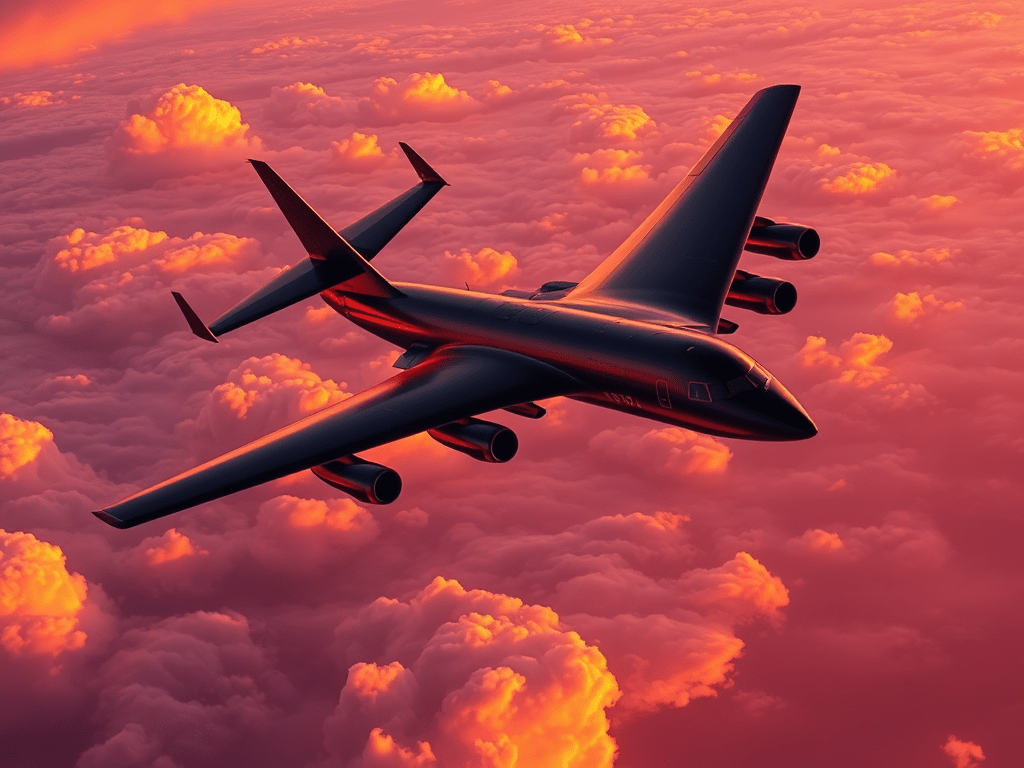
In the realm of aerial reconnaissance and strategic operations, few aircraft have captured the imagination like the Lockheed SR-71 Blackbird. Known for its unmatched speed and altitude capabilities, the SR-71 relied heavily on a specialized fleet of aircraft known as Stratotankers—specifically, the KC-135Q model, to push its operational limits further.
The SR-71 Blackbird – A Fuel-Hungry Marvel
The SR-71 was not just an aircraft; it was an engineering marvel designed during the Cold War to perform reconnaissance flights at speeds exceeding Mach 3 and altitudes above 85,000 feet. Its fuel consumption was astronomical, with estimates suggesting it could burn through 36,000 to 44,000 pounds of fuel per hour at cruising speed. The fuel in question, JP-7, was specially formulated for high thermal stability to withstand the extreme conditions of high-speed flight, including temperatures that could exceed 300 degrees Fahrenheit inside the fuel tanks. This high flash point was crucial to prevent ignition within the aircraft’s structure.
The Role of Stratotankers
To extend the SR-71’s range and operational time, the U.S. Air Force employed the KC-135Q Stratotanker, a modified version of the standard KC-135. These tankers were equipped to handle JP-7 fuel, which was unique to the SR-71, as well as standard jet fuels. The KC-135Q’s modifications included special plumbing for transferring the volatile JP-7 between tanks, ensuring the SR-71 could refuel mid-air without compromising safety.
The refueling process was intricate; the SR-71 would need to descend from its cruising altitude to connect with the tanker, slowing down significantly in the process. This was not just about extending range but also about managing the fuel tank’s inert atmosphere, which was crucial for safety at high speeds. Nitrogen gas was used to pressurize the tanks, preventing the autoignition of the JP-7 fuel.
Other Aircraft Benefiting from Aerial Refueling
While the SR-71 is the most famous beneficiary of the Stratotanker’s capabilities, several other aircraft have also relied on aerial refueling due to their high fuel consumption or strategic needs:
- B-52 Stratofortress: Known for its nuclear deterrent role, the B-52’s range can be dramatically extended through multiple refuelings, allowing for prolonged missions or increased payload capabilities.
- F-15 Eagles and F-16 Fighting Falcons: These fighters, while not as fuel-intensive as the SR-71, benefit immensely from refueling in scenarios requiring long-range flights or extended loiter times over combat zones.
- B-2 Spirit: The stealth bomber’s global reach is significantly enhanced by in-flight refueling, enabling stealth missions far from home bases without detection.
- Future Hypersonic Aircraft: With new hypersonic projects on the horizon, like those mentioned in discussions about endothermic fuels, the demand for refueling capabilities might evolve, potentially requiring even more specialized tankers or methods.
Operational Challenges and Logistics
Operating these aircraft together involved significant logistical challenges. The SR-71’s crews, for example, had to manage fuel with precision, ensuring they had enough for their mission while not carrying too much to avoid the risk of fuel ignition at high speeds. The tankers had to be strategically placed, and their crews trained in the unique procedures of refueling the SR-71, which included radio-silent rendezvous. The maintenance of both the SR-71 and its Q-model tankers was also a complex operation, involving special teams and procedures to handle the JP-7 fuel’s unique properties.
Conclusion
The partnership between the SR-71 Blackbird and the KC-135Q Stratotanker is a testament to how interdependent high-performance aircraft can be on their support systems. This relationship highlights the intricate dance of logistics, engineering, and operational planning that goes into making such feats of aviation possible. While the SR-71 has been retired, the legacy of aerial refueling continues to be vital for modern air forces, ensuring that even the most fuel-hungry aircraft can perform their missions effectively across the globe.




 Hypersonic VIP Club
Leave a comment